Lithium-Ion Recycling
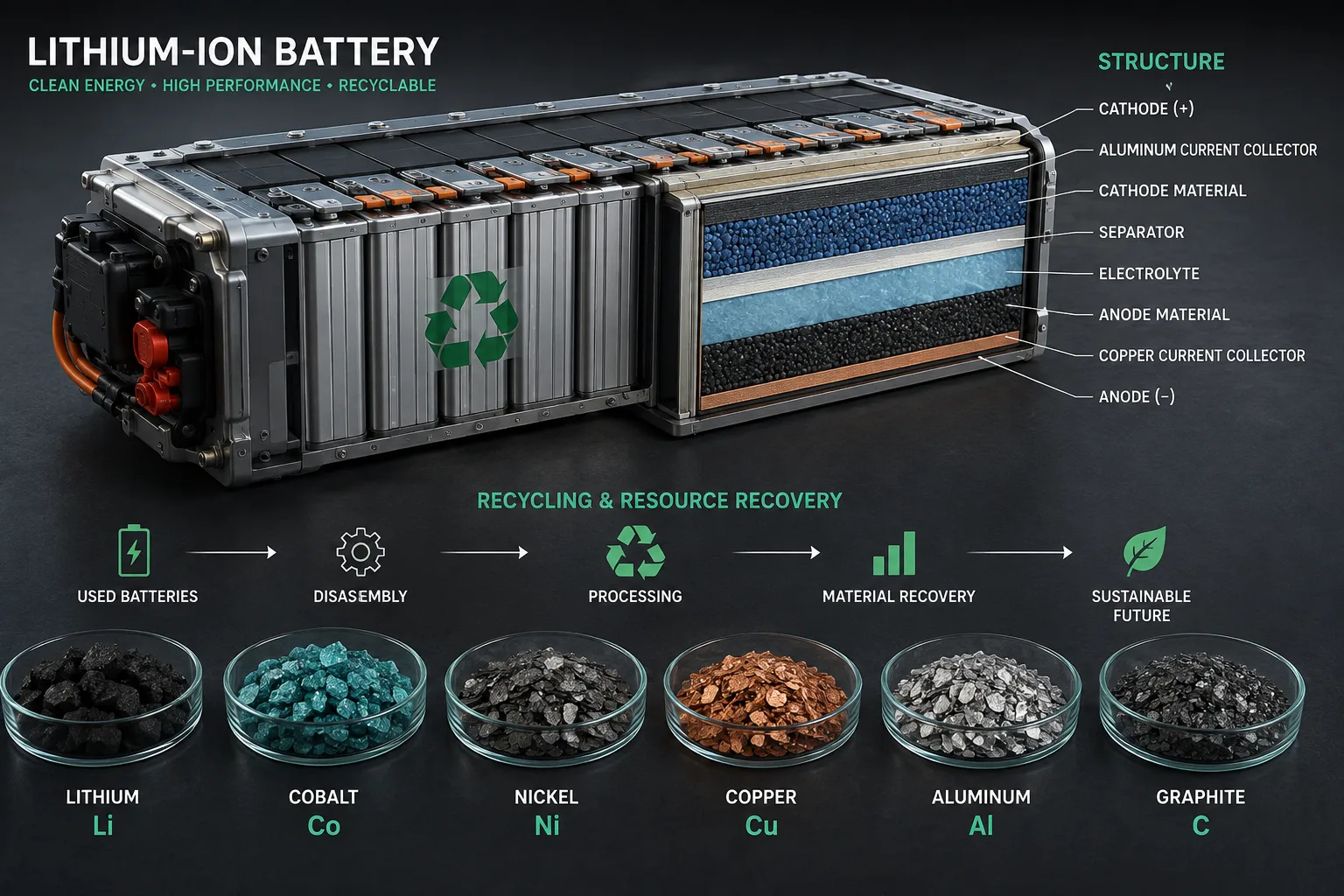
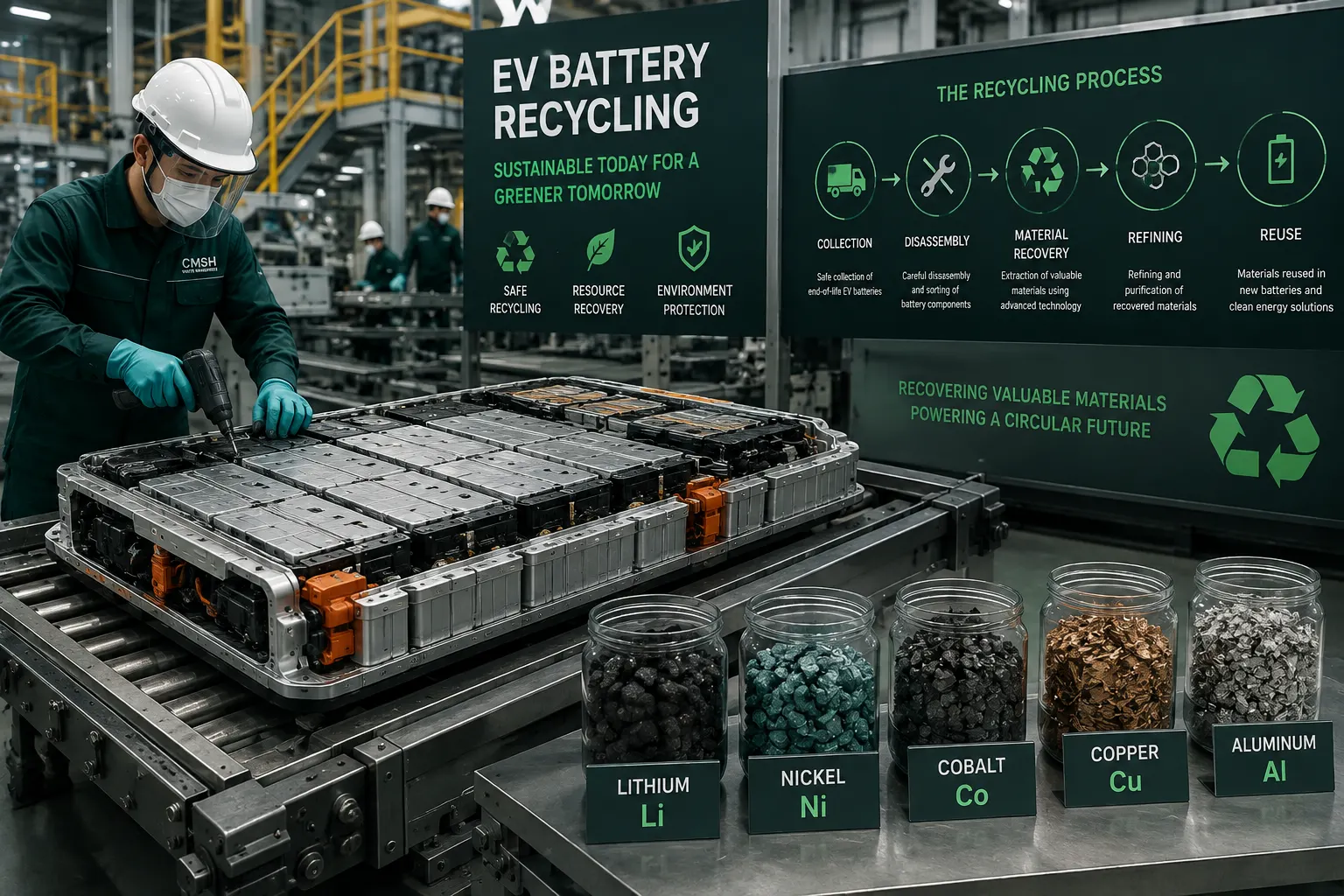
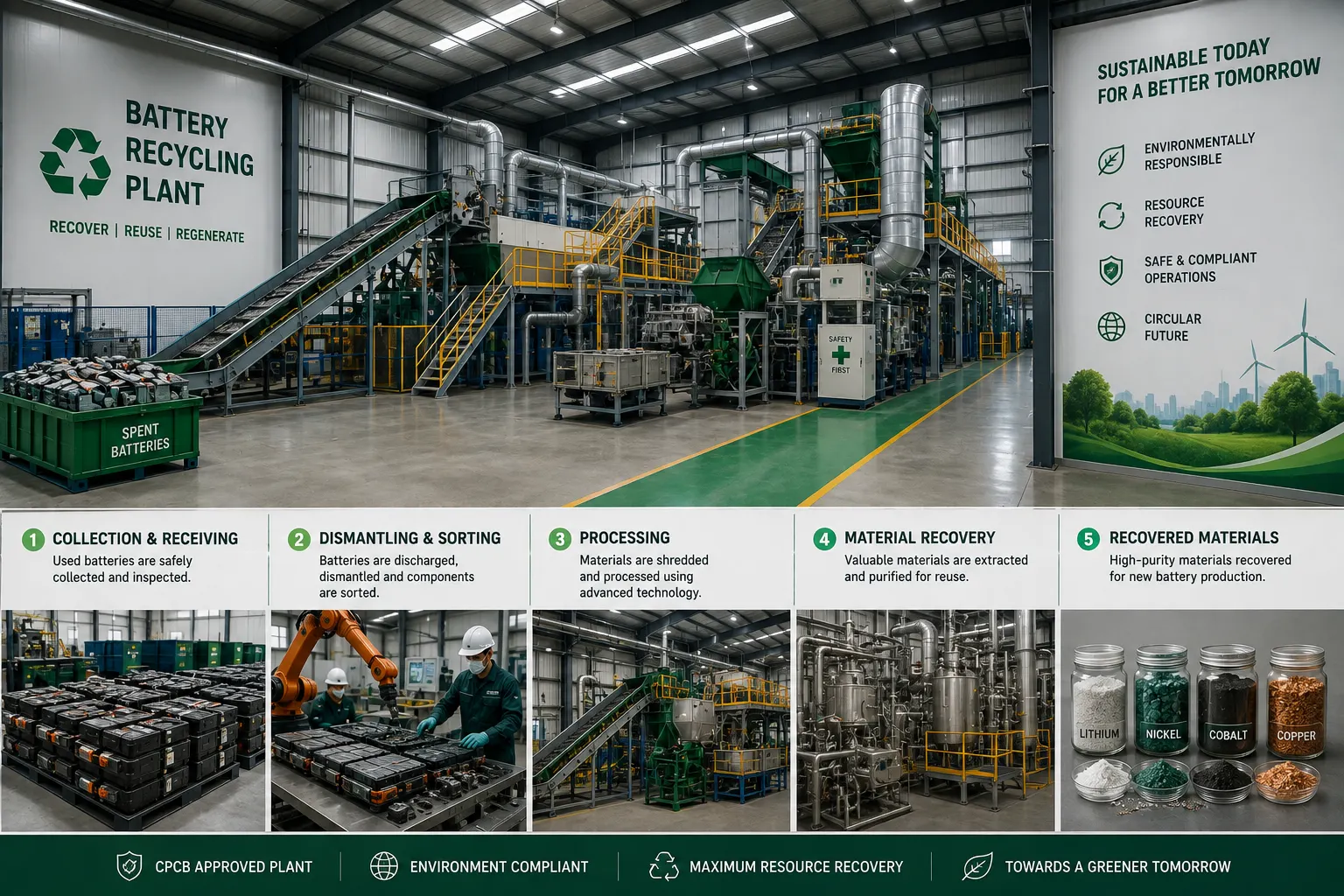
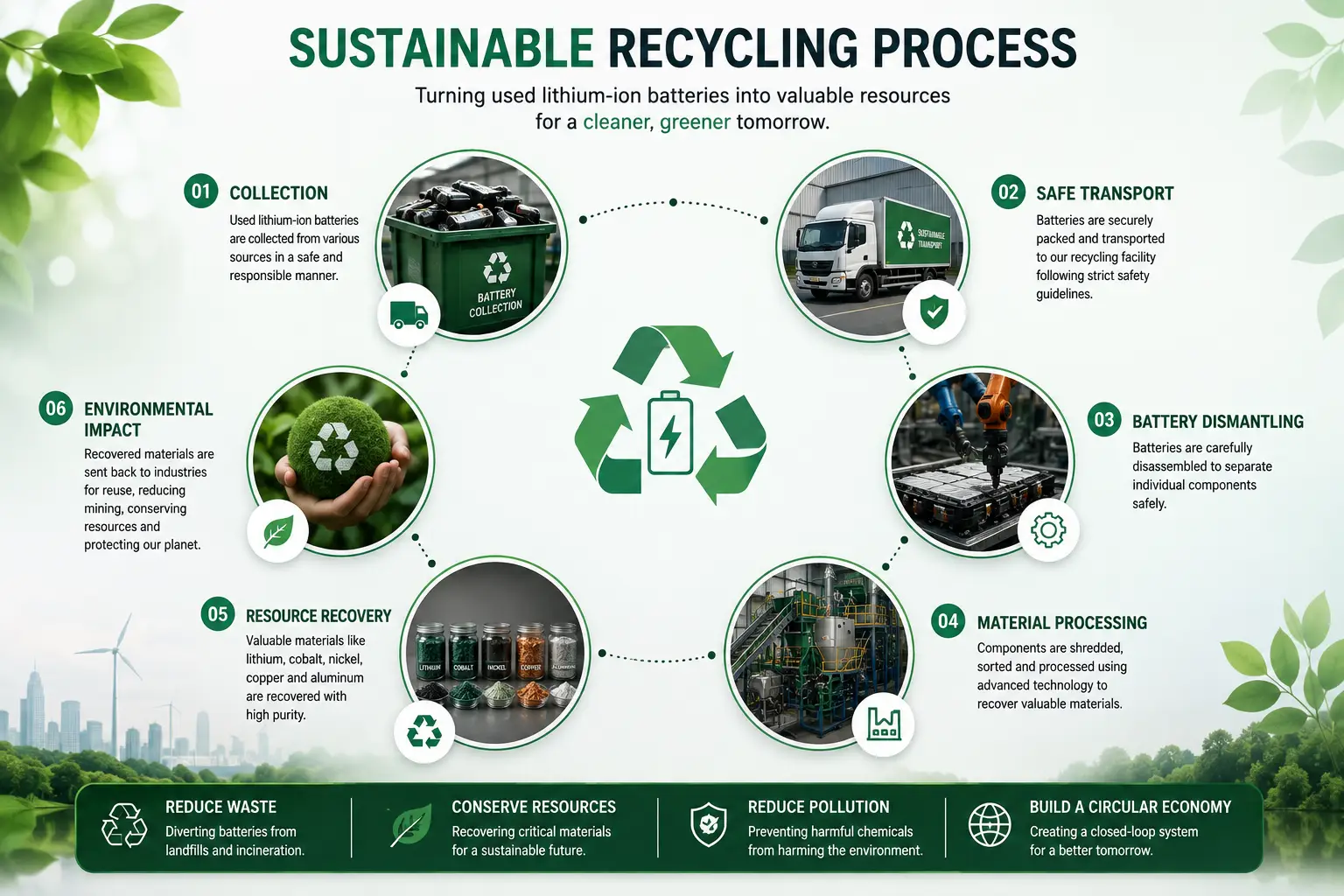
These are the principles that define how CMSH approaches lithium-ion battery recycling. They shape a culture built on safety, environmental responsibility and sustainable resource recovery, guiding every stage of our process from collection to material reclamation. It is this discipline that allows us to consistently deliver on the promises we make to our clients, our people and the planet.
Frequently Asked Questions
Lithium-ion batteries contain valuable materials such as lithium, cobalt and nickel, along with substances that can harm the environment if disposed of incorrectly. Recycling them prevents soil and water contamination, reduces the need for new raw material extraction, and supports a more sustainable, circular battery economy.
Before recycling, keep batteries away from heat, moisture and physical damage to reduce the risk of short-circuiting. Where possible, cover the terminals with non-conductive tape and store the battery in a cool, dry place until it can be handed over to a certified recycling partner such as CMSH.
Most lithium-ion batteries, including those from EVs, laptops, power tools and consumer electronics, can be recycled. Severely damaged, swollen or defective batteries require specialised handling, which CMSH manages through safe discharge and controlled processing protocols.
Batteries should be recycled as soon as they reach the end of their usable life or show signs of reduced performance, swelling or damage. Rather than storing old batteries at home or on-site, timely recycling reduces safety risks and ensures materials are recovered efficiently.
Looking for a Sustainable Battery Recycling Solution?
Partner with CMSH Waste Management for safe, compliant and environmentally responsible lithium-ion battery recycling services.
Contact Us